From the Data Science Unit to the Center for Data and Artificial Intelligence: the milestones that shaped the center, with the stories and photos of each moment.
2019Second half of the year
The first diploma program
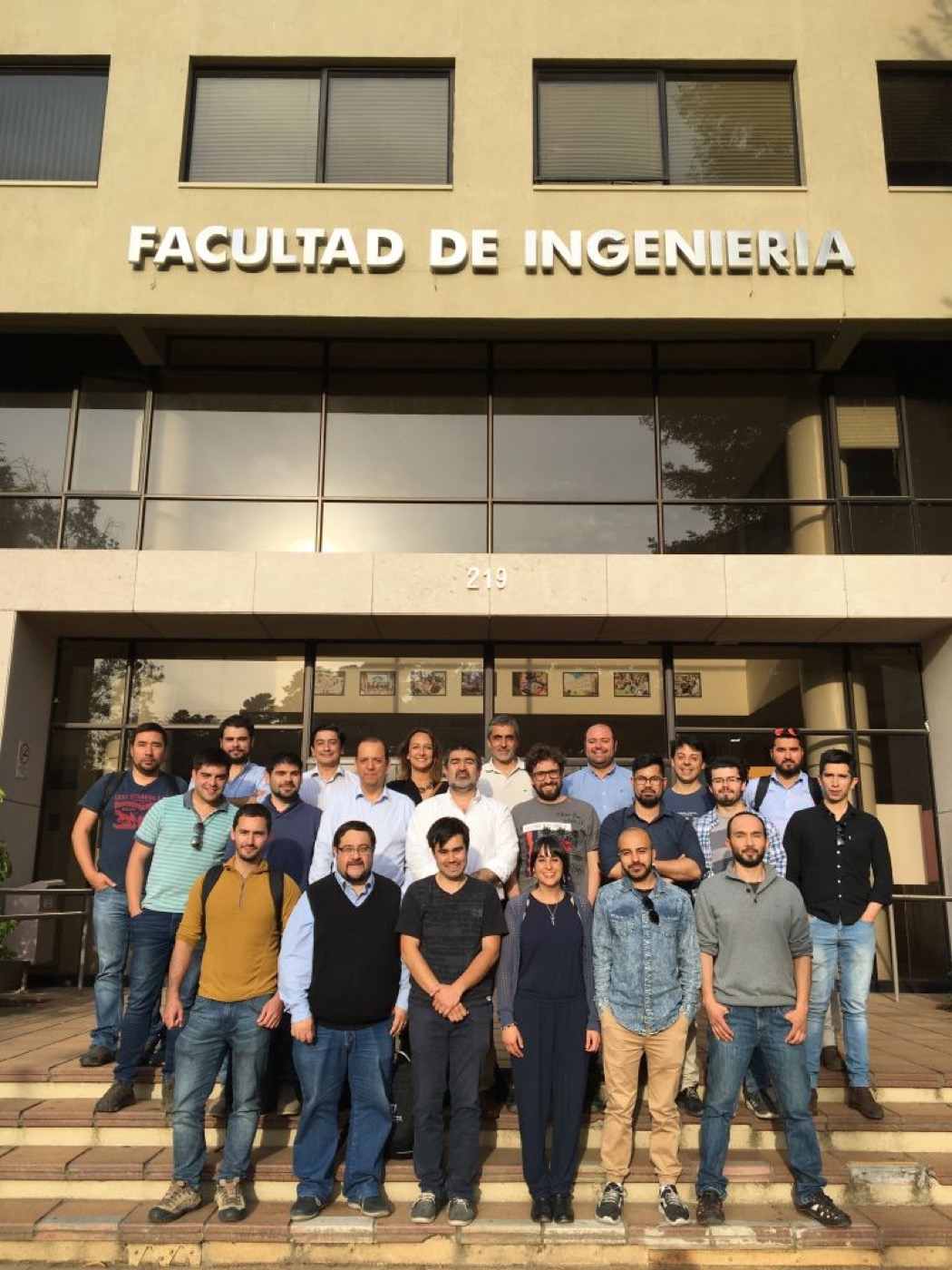
The first edition of the Diploma in Data Science is taught at the School of Engineering. Strong enrollment shows that the region had a need nobody was meeting, and that finding is the starting point for everything that follows.
The UDS is formed as an interdisciplinary unit of the Institute for Technological Research at the School of Engineering, led by Guillermo Cabrera. He sums up the idea behind it himself: providing services to companies was not enough because it left no lasting capacity behind, so they had to be taught. That year the diploma runs in two editions, an introductory one and an advanced one.
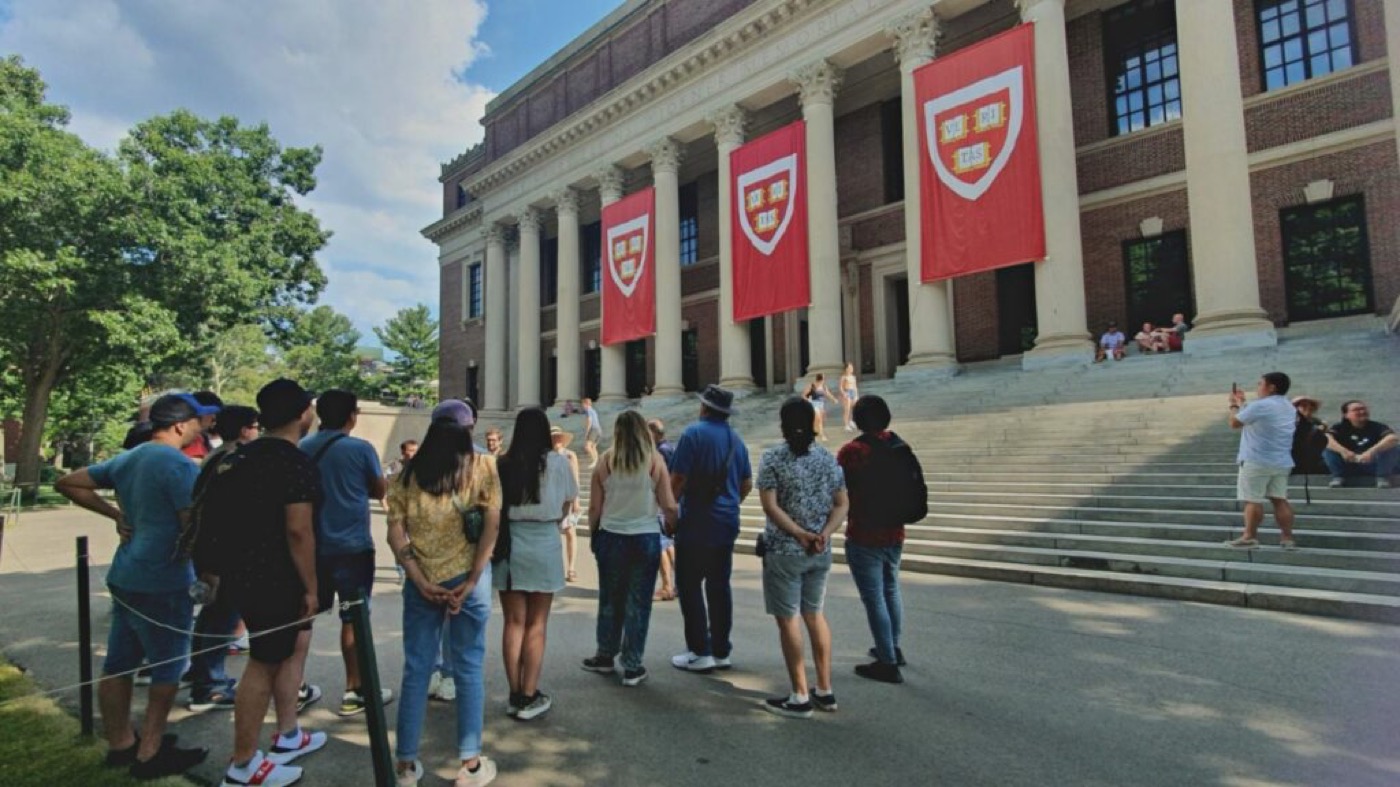
Twenty-four students from the MSc in Data Science for Innovation spend a week at Harvard’s Institute for Applied Computational Science, with classes, workshops and visits to Microsoft and the MIT Media Lab. The international residency stops being a promise of the program and becomes part of its routine.
The Advanced Diploma in Data Science begins its third edition. With the introductory diploma, the advanced one and the master’s program, the unit now offers a complete pathway: someone can start without knowing how to code and finish leading a data project.
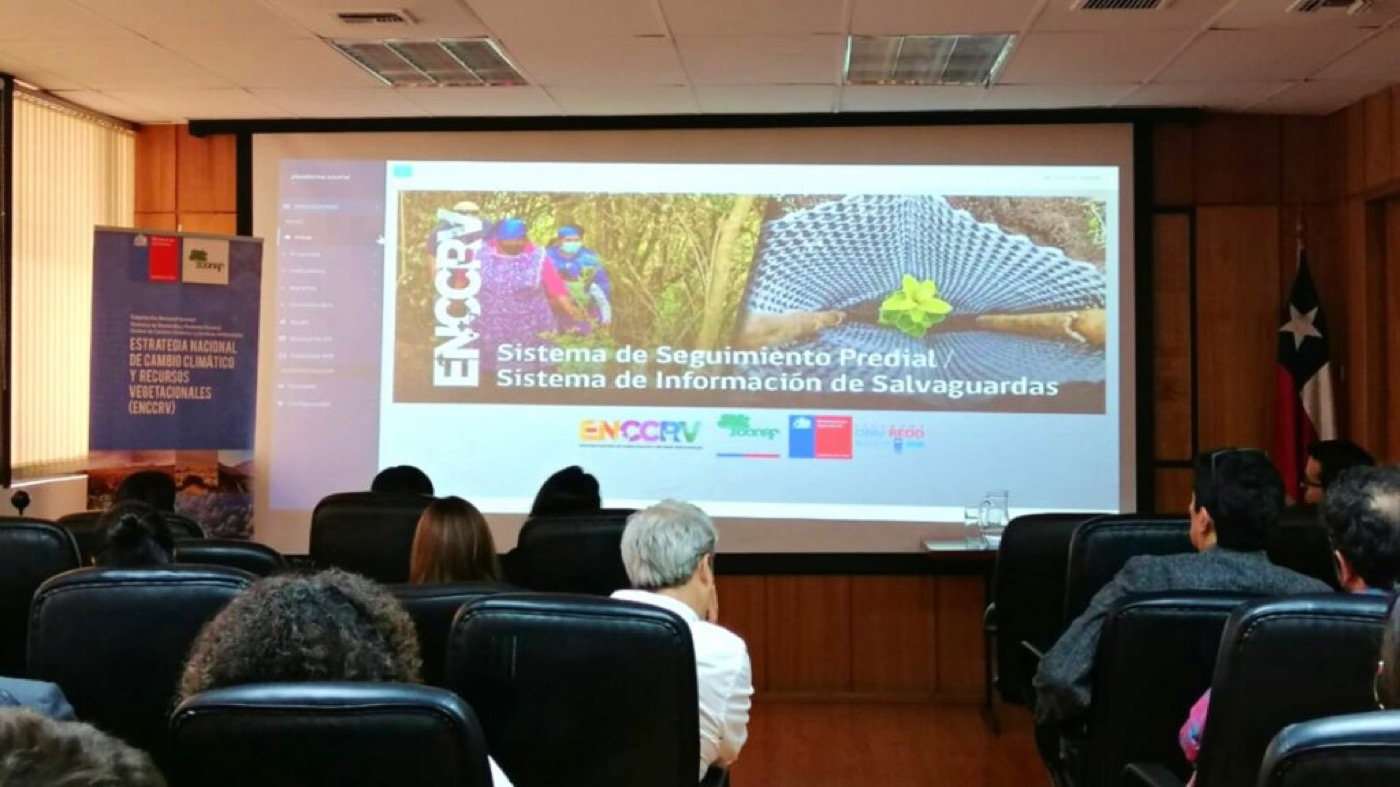
The center presents the platform that supports the management of vegetation resources under the National Strategy for Climate Change and Vegetation Resources. It is the kind of assignment that sets the course: a public problem, the institution’s own data and a system that keeps running after delivery.
The first cohort of interns finishes its summer at the unit. Internships become the team’s front door: several of the people who work at the center today joined that way.
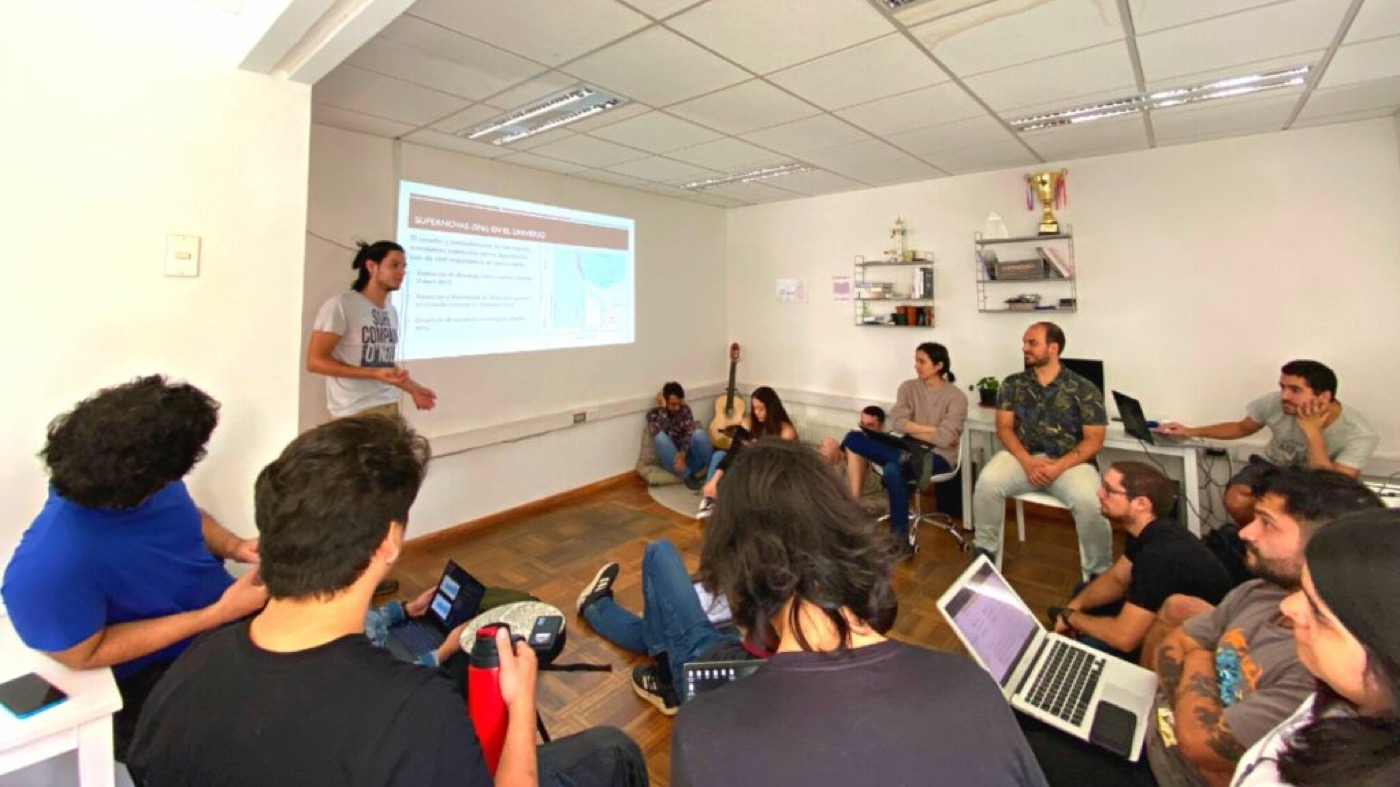
The Data Science Unit becomes the Center for Data and Artificial Intelligence. The new name recognizes what was already happening: alongside technology transfer and training, the team produces and publishes its own research in artificial intelligence.
2025June
The whole sky, in real time
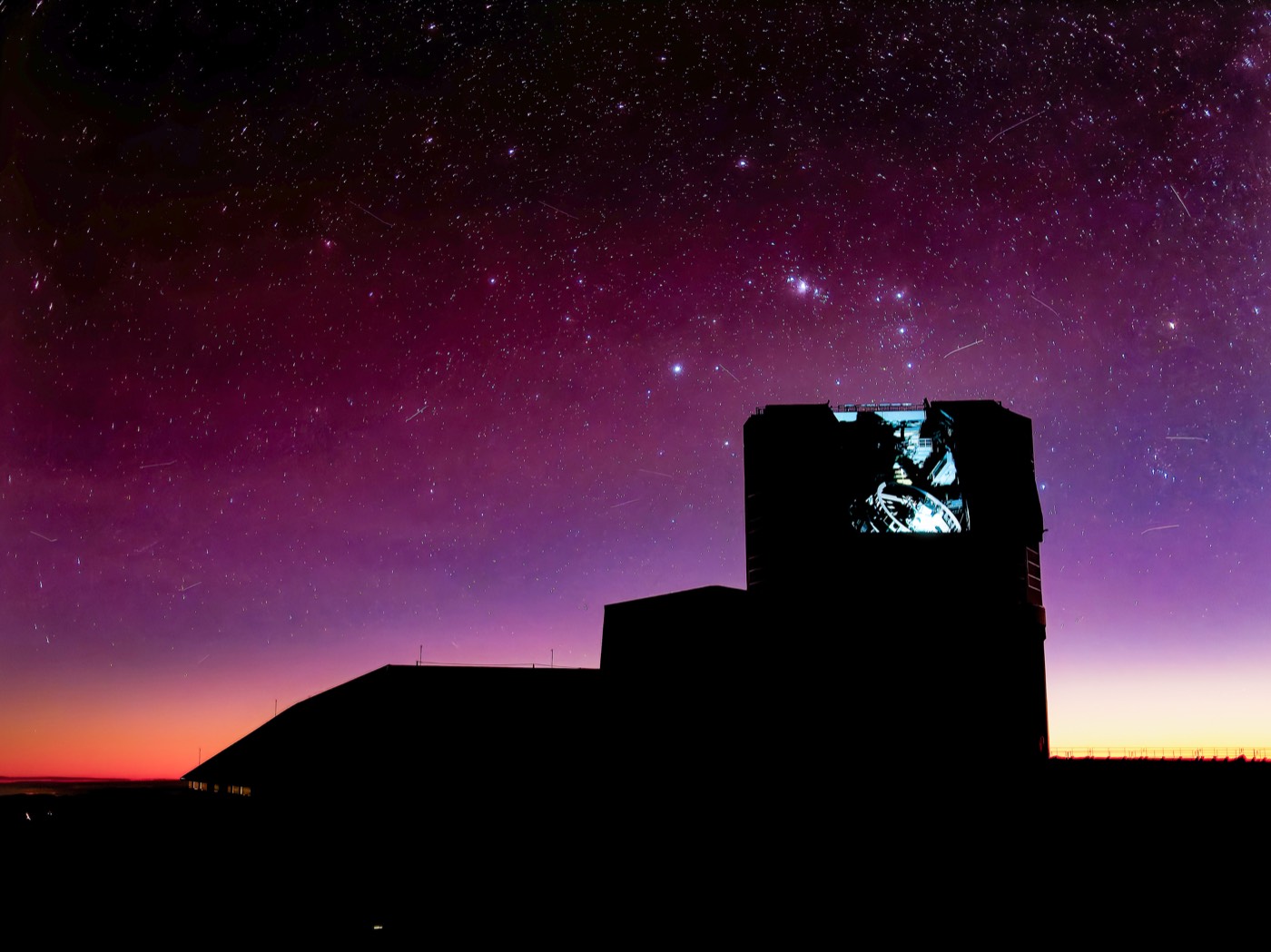
ALeRCE, the initiative the center is part of, becomes one of the official brokers of the Vera C. Rubin Observatory. It will classify the alert stream of the telescope that will survey the entire southern sky every few nights.
The Rubin Observatory’s data stream begins and Chile joins through ALeRCE. Millions of alerts per night must be classified within minutes, the problem of scale the astronomy line had been preparing for since the beginning.